



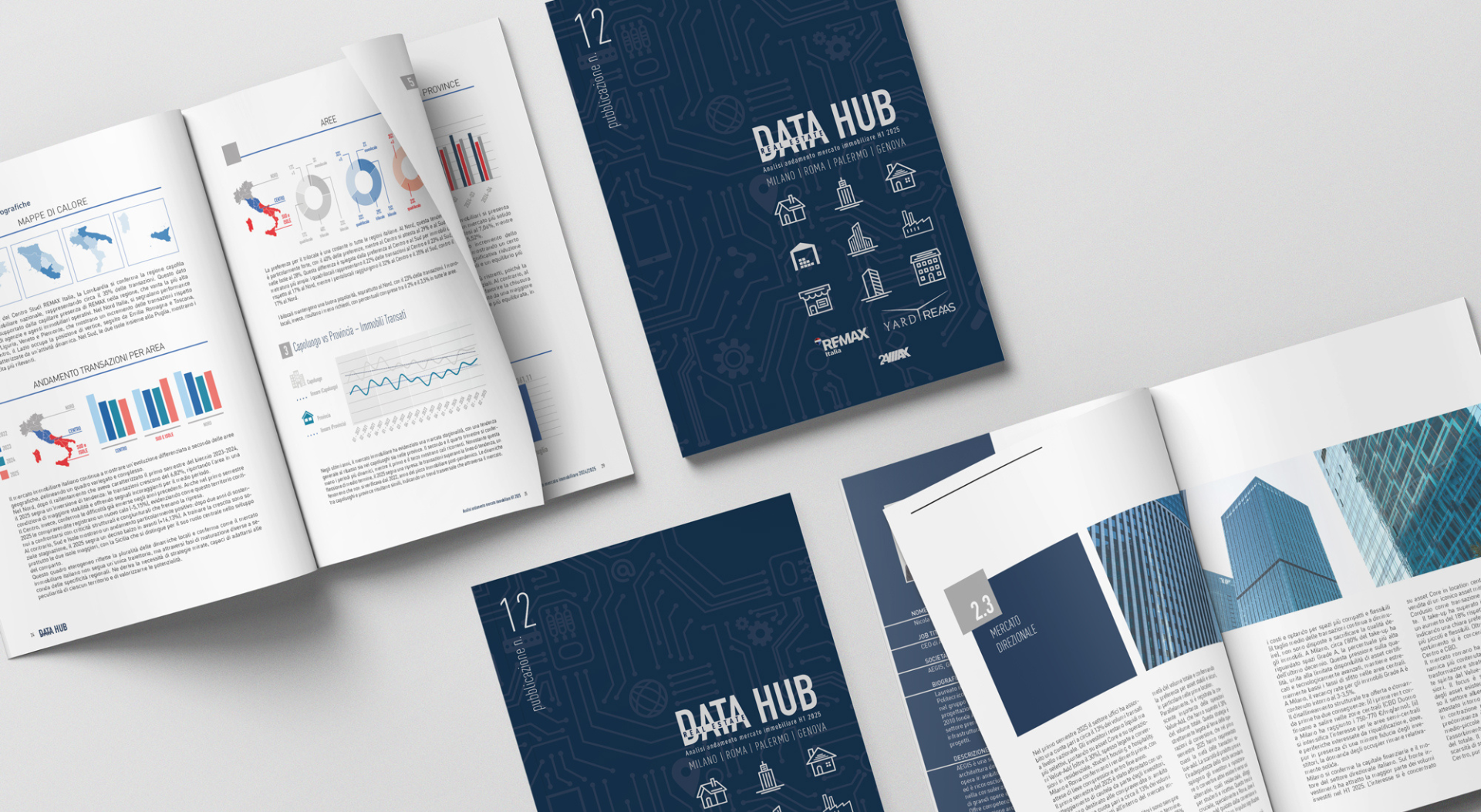
Real Estate DATA HUB | The new green driver is leading the growth of real estate in Italy
|
|


The 12th edition of Real Estate DATA HUB paints a picture of recovery and favourable prospects, where the paradigm shift is driven by the new structural lever of sustainability and increasingly informed choices by families and investors.
The Italian real estate market is regaining momentum, buoyed by widespread confidence. The outlook is favourable, with green initiatives proving to be a new driver of growth and guiding families' purchasing decisions and companies' investment strategies.
Especially in the residential segment - also due to easier access to credit - after a consolidation in 2024, the first half of 2025 has highlighted stronger demand and more sales. This is what emerges from the 12th edition of Real Estate DATA HUB, the market report produced by the REMAX Italia Research Centre, the YARD REAAS Research Department and the 24MAX Research Department. The report analyses real estate market trends in the first half of 2025 and the outlook for the second half of the year, introducing a new section dedicated to Green Loans.
Green Loans: sustainability permanently enters the real estate sector
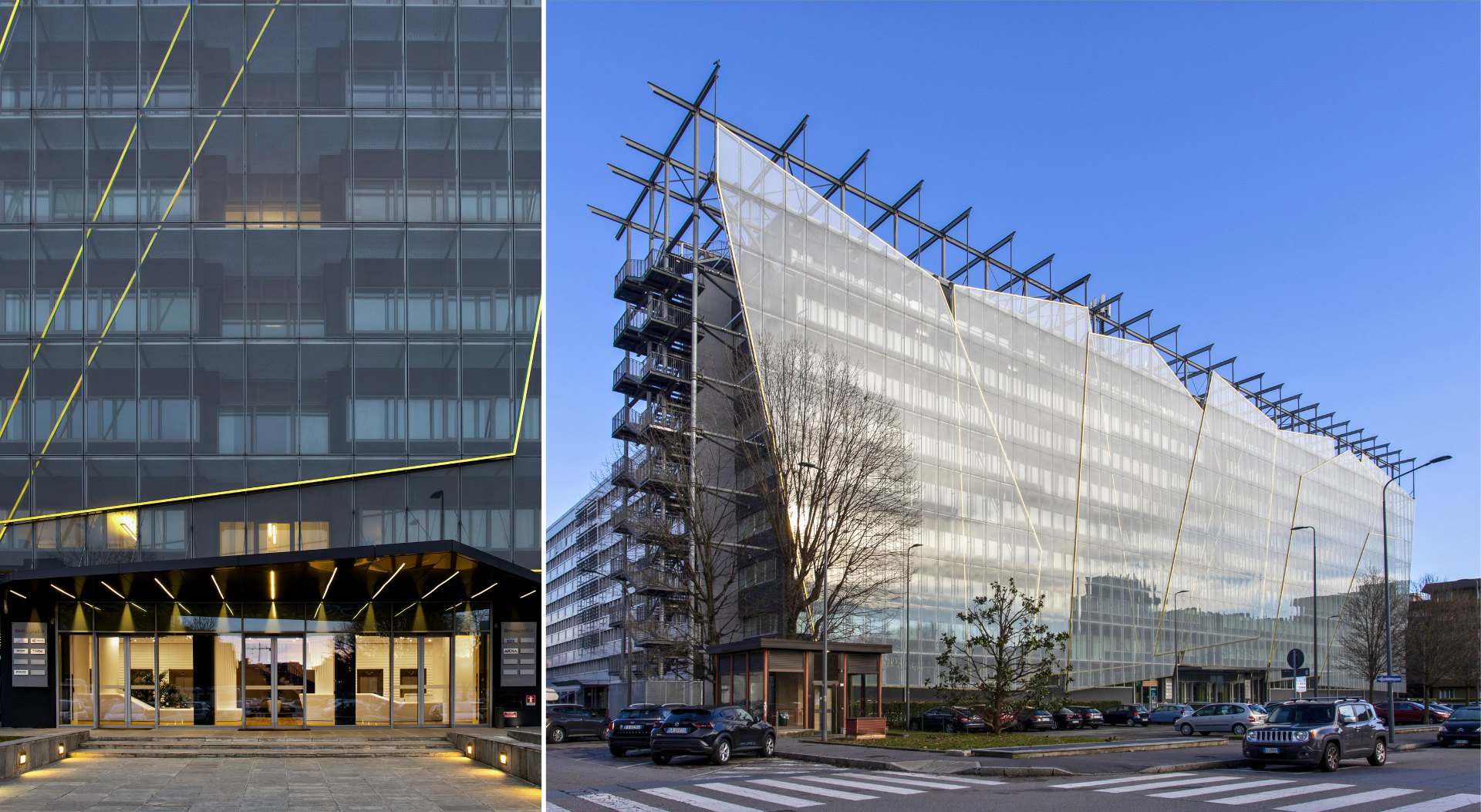
Sustainability has permanently entered the Italian real estate market, impacting the dynamics of demand, supply and credit. According to the analysis by the REMAX Italia Research Centre, 72–75% of sales still concern properties in the EFG energy class, but the percentage is gradually decreasing, while the number of CD energy class housing is increasing (from 13% in 2022 to 15% in the first half of 2025) and, although more slowly, the ones in class AB.
Average sales times confirm the correlation between energy efficiency and product appeal: Class AB housing sell in approximately 147 days, compared to 160 days for classes EFG, with buyers being more selective but willing to pay a higher price. Sustainability is therefore becoming established as a decisive and competitive factor in defining market dynamics.
At the same time, there has been significant growth in the popularity of Green Loans, which are mortgages dedicated specifically to the purchase of energy-efficient properties. In the first half of 2025, 24MAX credit brokers were able to offer green loans with a fixed rate of 2.19% APR, often with zero application and appraisal fees. Compared to traditional mortgages, the average instalment is approximately 15% lower, encouraging the purchase of class A and B housing.
Residential: a solid, quality-oriented market
In the first half of 2025, the Italian residential market recorded a growth in transactions of over 9% compared to the same period in 2024. After a phase of stabilisation, the sector has confirmed its solidity, supported by lower interest rates and demand increasingly focused on quality and energy efficiency. Average prices rose by 2.4% year-on-year, with more marked increases in large cities: Milan leads growth with a 9% increase in value and volume, while Rome shows a more selective market, with prices up 3%.
“The outlook for the second half of 2025 is cautiously optimistic. Demand appears solid, with a growing focus on energy-efficient and well-connected properties.”, says Dario Castiglia, CEO & Founder of REMAX Italia. “Large cities are still the main drivers of growth. Although there are still some uncertainties linked to the international economic situation, the Italian property market now seems more resilient and offers opportunities for selective development.” This vitality is also reflected in the growth of the franchise network, which has announced its goal of doubling the number of agents and exceeding £200 million in aggregate turnover by 2028.
Other sectors: retail and hospitality on the rise, logistics and offices stable
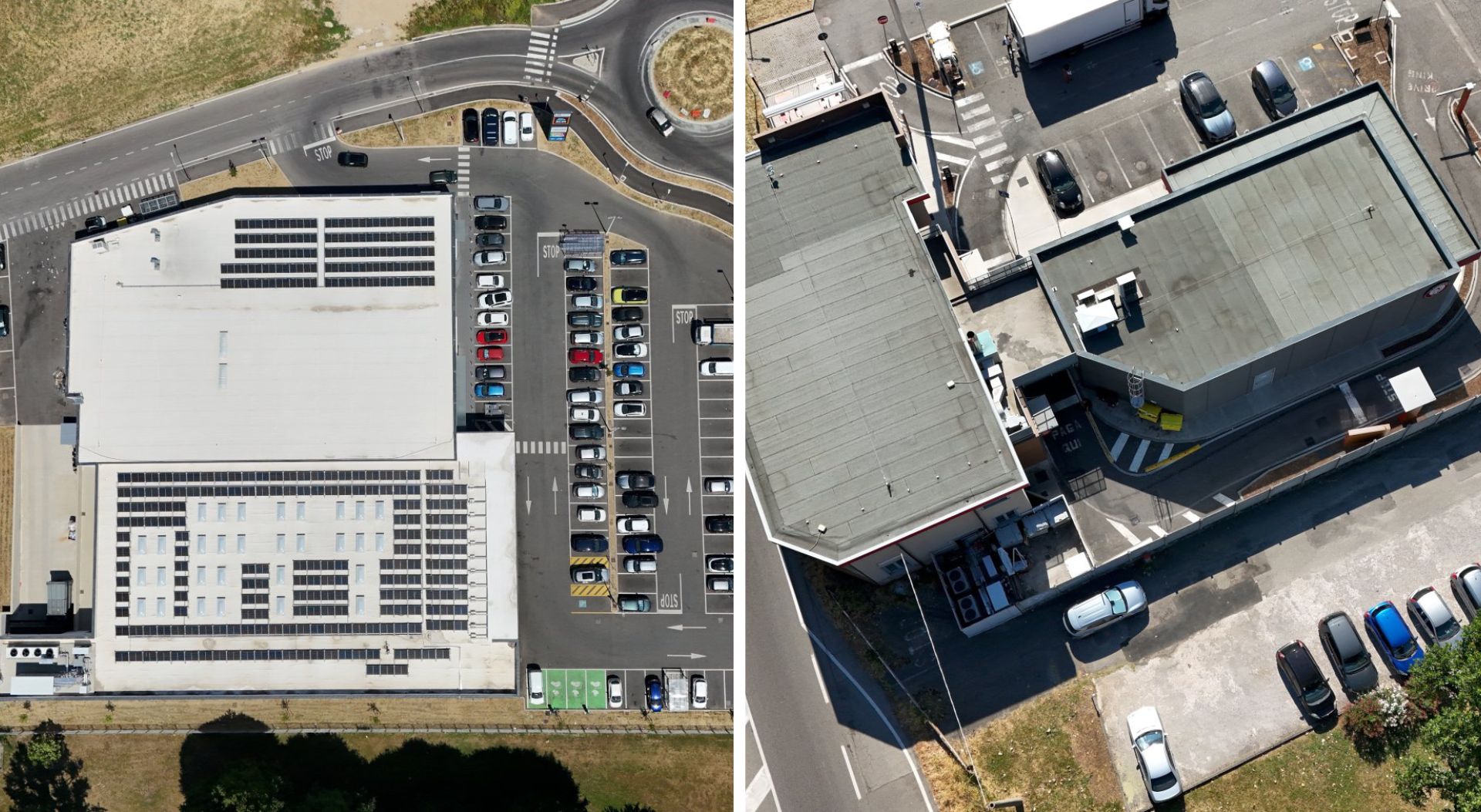
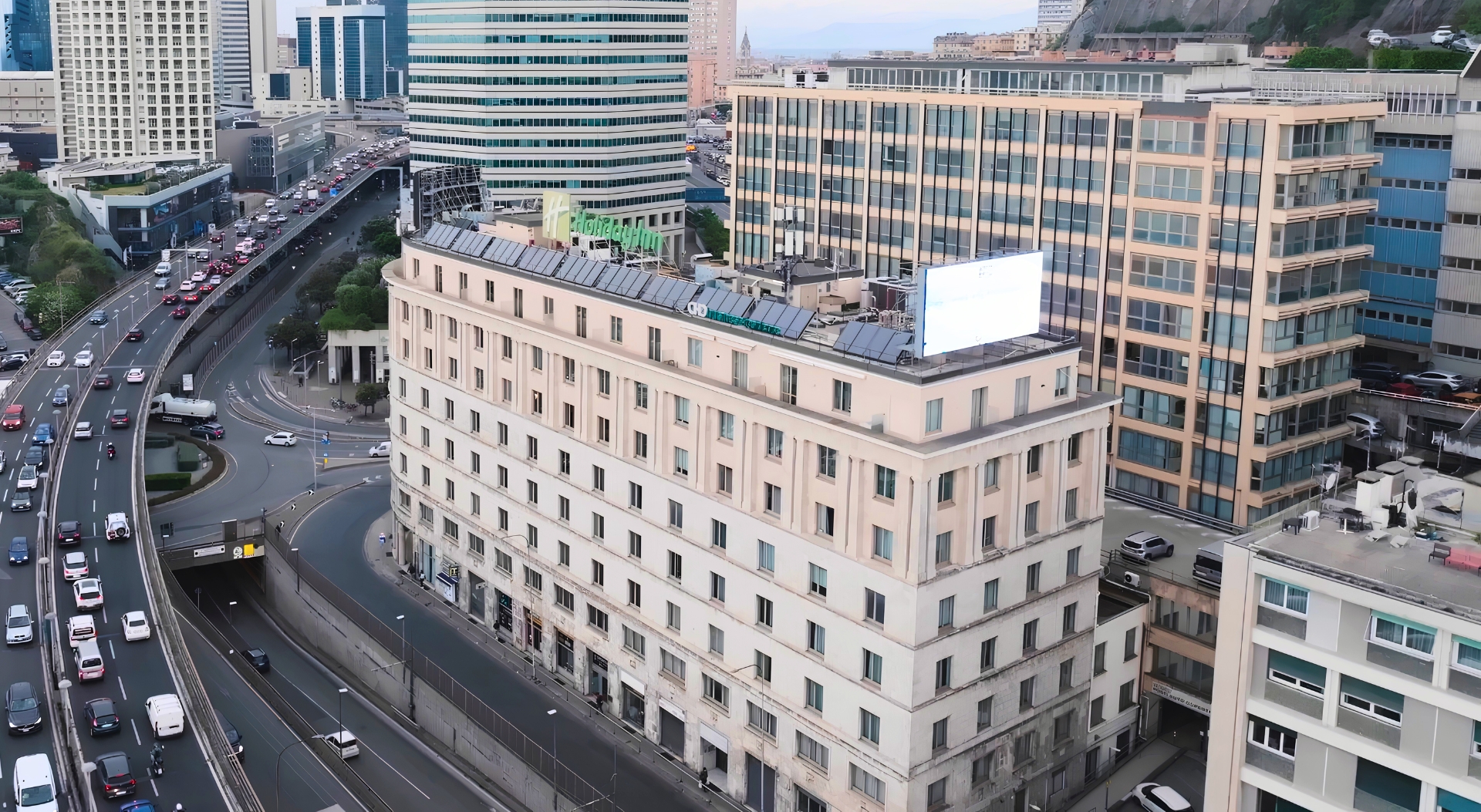
In the first half of 2025, the Italian real estate market recorded a 50% increase in commercial property investment compared to the same period in 2024, with foreign capitals accounting for almost two-thirds of the total. The report highlights that, during the period in question, real estate investments were mainly concentrated in the retail (28%) and hospitality (25%) segments, followed by logistics (14%), offices (13%), living (7%) and other uses ( combined, 13%). Retail therefore accounts for 28% of investments, particularly among institutional and specialised investors (up from the first quarter of 2025). In general, rental rates show increasingly heterogeneous trends across the country, with significant differences based on location and specific product category. The hospitality sector (25%), especially in the luxury segment (over 90% of the volume), confirms its central role, with a balance between domestic and international investors. Logistics, on the other hand, attracts 14% of investments, with demand focusing on Grade A spaces. The focus on urban regeneration continues, with over 30% of new logistics developments taking place on brownfield sites, reflecting an increasingly strong commitment to sustainability and the regeneration of disused industrial sites. Prime rents are expected to remain stable or grow, if only at a slower pace, for high-quality properties. As regards the office sector, the first half of the year was characterised by considerable caution among investors; there was also a decline in the average size of transactions, with a preference for smaller spaces.
“Even in the commercial real estate market,” points out Laura Piantanida, Head of Institutional Relations at Yard Reaas S.p.A., “the importance of ESG factors is confirmed, as they can influence both investor strategies and tenant choices.”